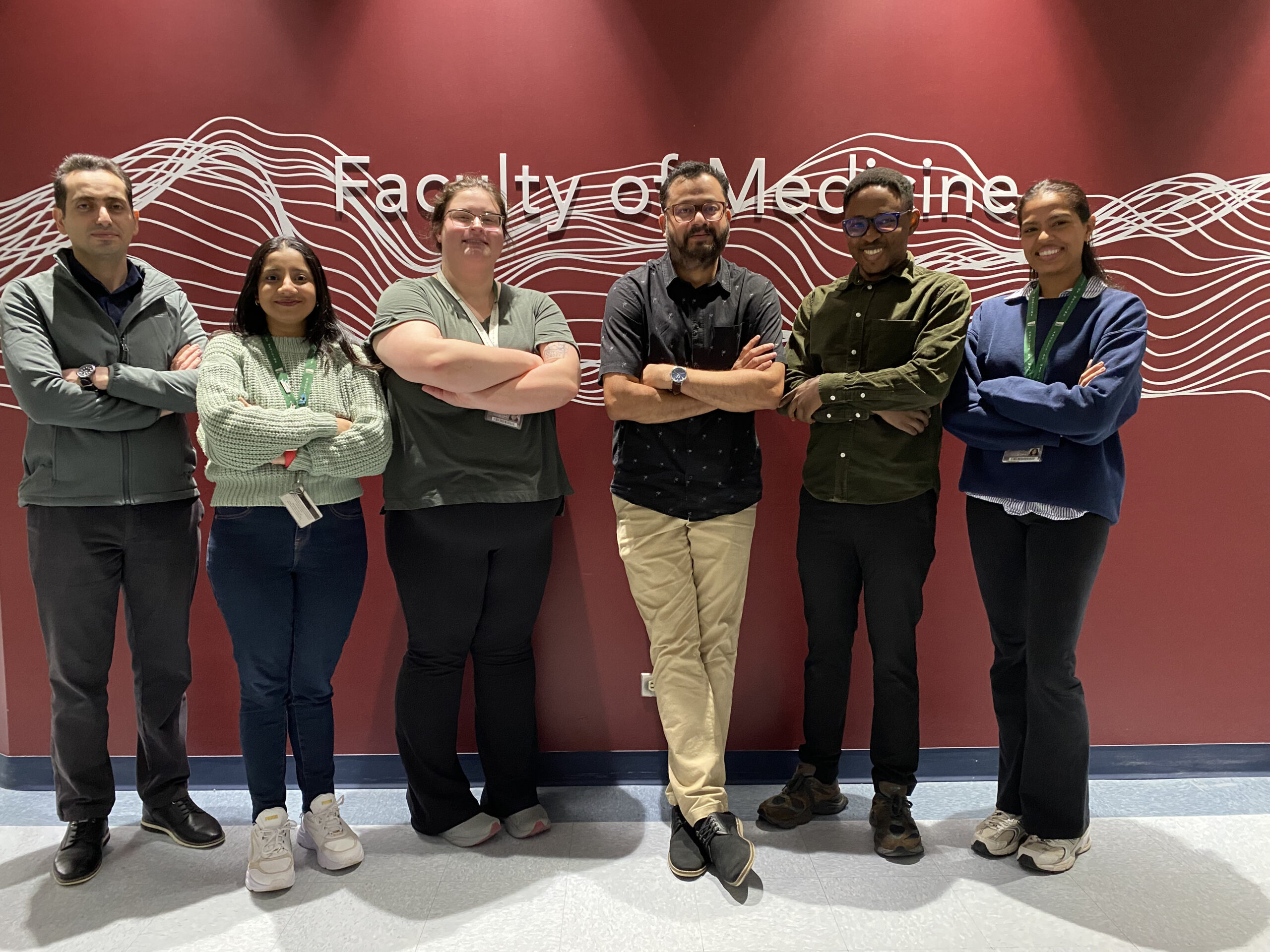
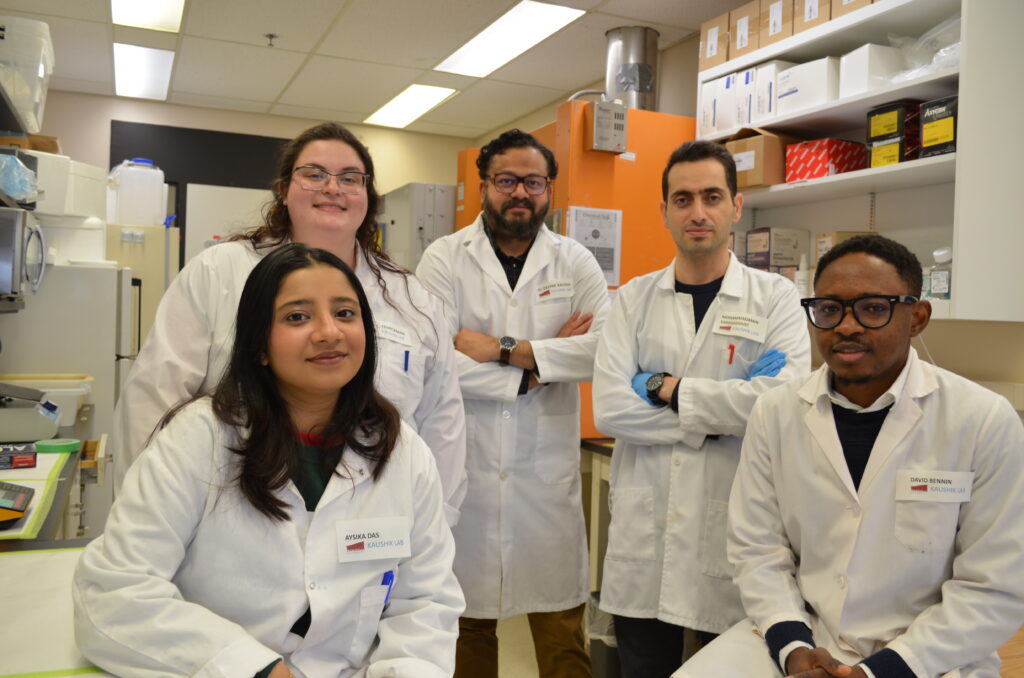
Kaushik Lab
About us
Our lab is a cutting-edge research facility dedicated to advancing our understanding of the role of monocytes, macrophages and microglia in neurodegenerative diseases, with a particular focus on multiple sclerosis (MS). The lab employs a range of sophisticated techniques and innovative mouse models to investigate the function and metabolic changes of monocytes, macrophages and microglia with aging. Our team is committed to uncovering the intricate mechanisms underlying MS and other neurodegenerative disorders, striving to translate these findings into potential therapeutic strategies.



Research Interest
Our Lab is interested in identifying the mechanisms by which innate immune cells, macrophages and microglia, drive multiple sclerosis (MS) progression. These cells, like other immune cells such as T- and B-cells, have specialized energy requirements which are not well defined in MS. Using cell culture-based assays and transgenic mouse models, we are invested in identifying key signaling pathways (pertinent to metabolic states) that allow these cells to become pathogenic/non-reparative during MS progression.